Industry stories IND-D

Measurement programs change shape by industry.

Hach supports teams that need laboratory, field, and process measurements to match the way their industry documents risk. The same catalog category can serve very different purposes: method validation in pharmaceutical work, contaminant screening in food quality, regulatory sampling in environmental monitoring, and teaching or publication support in academic research. The sections below keep those use cases separate so product selection starts with the evidence a team must produce.

Industry pillars

Use cases from the hach seed set

Pharmaceutical & Life Sciences

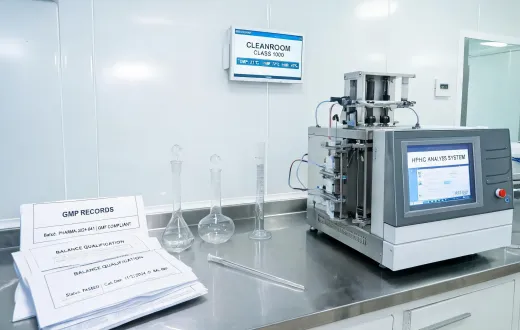
HPLC method validation, balance qualification, and sample-prep instruments need GMP or Annex 11 traceability. Selection should reference method range, audit trail expectations, and calibration certificates rather than generic laboratory capability.

Food Safety & Quality

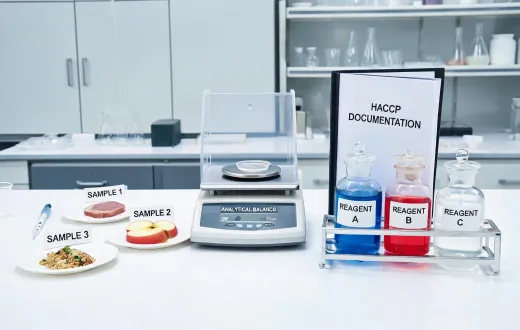
Residue, contaminant, and authenticity testing programs often need HACCP, ISO 17025, and AOAC method linkage. Instruments are reviewed for sample throughput, detection limits, and documentation that supports batch decisions.

Environmental Monitoring

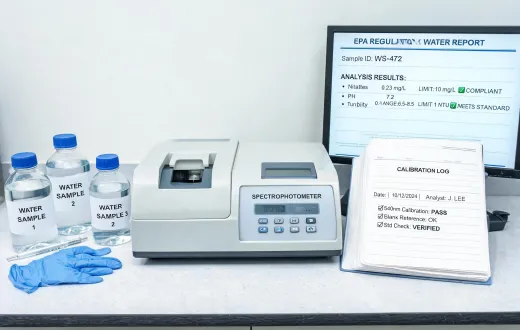
Ambient, water, and soil analysis teams may report under EPA, EU 16000-series, or equivalent national rules. The selection path must consider field handling, chain of custody, calibration records, and stable reporting formats.

Academic & Research

Teaching and research laboratories need chromatography, microscopy, and sample-prep equipment that students can operate while still producing citation-ready documentation for funded projects and shared facilities.

Clinical Diagnostics

Sample-handling, balance, and analyte-quantification systems are reviewed against CLIA, CAP, and IVDR documentation needs, with clear separation between research use and controlled diagnostic workflows.
Transformation cases

How selection criteria shift across teams

Pharmaceutical validation lab

From model choice to method defense

A life science lab may begin by comparing HPLC accessories, but the final recommendation often depends on method validation documentation, balance qualification, user access control, and service records. A clear chain from sensor to certificate makes the purchasing discussion easier for both quality and procurement.

Environmental water testing lab

From field sample to reportable number

Environmental monitoring teams need instruments that travel between sampling plans and reporting systems. Rugged handling, range suitability, calibration logs, and data exports can matter as much as the instrument itself because every number may support a regulatory decision.

Food quality testing workflow

From throughput to repeatability

Food quality teams often ask whether a method can keep pace with production without weakening evidence. Product selection should connect instrument range, consumable routine, operator training, and certificate language to the plant's HACCP and quality review process.

The industry path is intentionally practical. A regulated lab may prefer fewer instrument models and tighter service discipline, while a field monitoring team may prioritize portability, accessories, and fast checks before each sampling day. A research facility may need flexibility because methods evolve, but it still needs documentation strong enough for publication, internal review, or grant reporting. Hach content, images, and CTA language on this site therefore stay close to application context. The objective is not to claim that one instrument fits every market. It is to collect the method, environment, operator routine, and evidence requirement early enough to prevent a weak purchase specification from turning into downtime, retesting, or unplanned recalibration.

Industry fit

Tell us which record the measurement must support.

We can map the instrument family to your industry documentation, including method range, traceability, and service interval.

Discuss Industry Requirements