Water analysis retest reduction
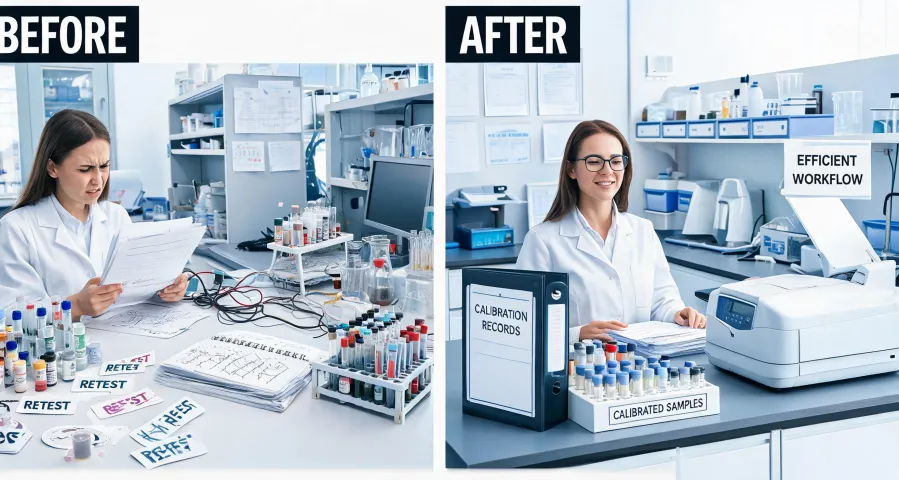
Before: a team used a portable instrument without matching sample temperature, range, and calibration check frequency. After: selection included range review, field kit accessories, and documented verification points.
Sustainability for analytical and laboratory instruments is most useful when it is tied to avoidable waste: repeated sample preparation, expired reagents, unnecessary shipping, emergency service visits, and instruments selected without a documented calibration path. Hach frames this page around before-and-after decisions because a better specification can reduce rework before the first purchase order is placed. The goal is not to claim that a meter or spectrophotometer solves every environmental concern. It is to show how range fit, service interval, and documented method assumptions can reduce preventable loops in regulated laboratories and field programs.
This rendered calculator layout is intentionally static, but it shows the fields a real team should quantify before selecting instruments or service intervals.
Compare the instrument range, acceptance criteria, consumable routine, and certificate chain before purchasing. Even a modest reduction in retesting can save reagent use, staff time, shipping, and urgent service calls.
A sustainability discussion in this industry should be tied to measurable operating behavior. A lab that repeats samples because the selected device does not fit the matrix wastes reagents and staff time. A field program that ships instruments back without planning spares or service windows adds transport emissions and reporting delay. A process plant that chooses a sensor without understanding drift behavior may create more maintenance visits than expected. Those issues cannot be solved with a generic green claim. They require method review, range confirmation, service planning, and operator routines that match the environment. Hach's sustainability page therefore uses a practical calculator structure: it asks what gets repeated, how long it takes, and which documentation gap caused the loop.
Before: a team used a portable instrument without matching sample temperature, range, and calibration check frequency. After: selection included range review, field kit accessories, and documented verification points.
Before: calibration dates were treated as calendar reminders only. After: usage intensity, drift history, and certificate requirements shaped a more defensible service schedule.
Before: expired buffers and reagents created inconsistent checks. After: operator training tied consumable storage, lot records, and instrument acceptance criteria into one routine.
Send your retest rate, service concern, sample matrix, and certificate requirement so a shortlist can include operational impact as well as technical fit.